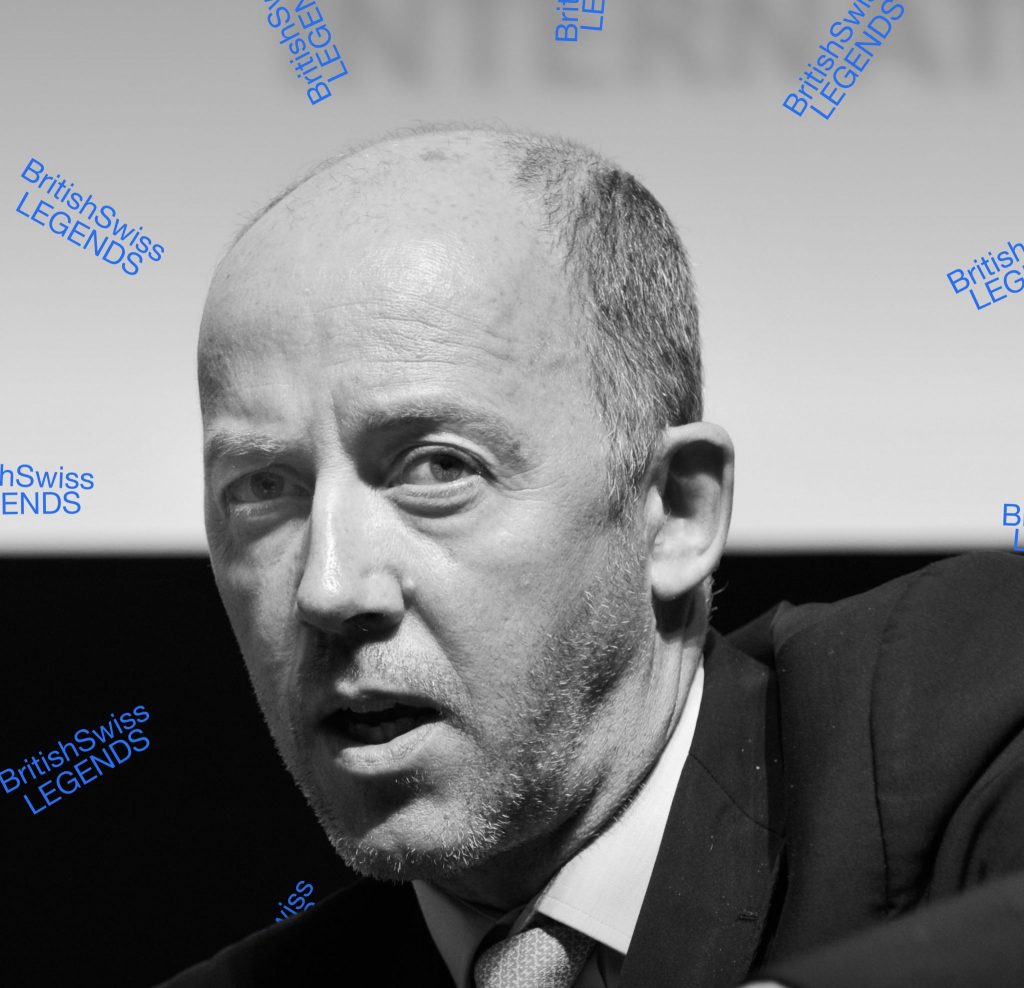
“Relationships matter more than rights, vision matters more than process, and timing is always the one variable you can never quite control,” Michael Payne.
One of the most pivotal and celebrated events in the global calendar is the Olympic Games. An ancient Greek tradition revived in the late 1800s, the Games showcase the very best in amateur sport, with athletes from around the globe competing for their chance at gold.
However, one of the lesser-known facts about the Olympics is just how close they once came to falling into disrepair and bankruptcy. Luckily for the world, one man helped transform the games from a fragile event into one of the world’s most powerful global brands: Michael Payne.
The English-Irish executive, entrepreneur, and author of Fast Tracks and Dark Deals: How Sport Became Business and Business Became Sport was instrumental in creating the modern Olympic commercial system, securing the future of the Games for generations to come.
From freestyle skiing to marketing mogul
Following a childhood in London, Payne’s interaction with the Olympic movement began at a young age. In the 1970s, he competed as a member of the British freestyle ski team, becoming British champion twice.
In his writings, Payne has noted that this experience was the first time he realised that athletic ability alone was not enough to sustain a sporting career. Athletes, he observed, also needed sponsorship to finance both themselves and their competitions.
His first steps into sports marketing came at West Nally, a marketing firm involved in some of the most significant sporting events of the 1970s and 1980s. During this time, Payne developed deep expertise in the marketing and financing of major sporting events, working on the World Athletics Championships, international cricket marketing, and the launch of the London Marathon.
It was also during this period that Payne recognised the future of sporting finance. As television audiences expanded and multinational companies searched for global reach, he realised that sport could become an ideal catalyst for marketing. It was not long before his skills would be put to the test during what he described as one of the greatest challenges in modern sport.
Pulling the Olympics back from the brink
Though it may be hard to believe today, amid packed-out stadiums and cities desperately vying to host the event, but during the 1980s the Olympic Movement was in serious trouble. Following the calamitous and costly Olympic Games in Montreal in 1976, many potential host cities were discouraged from bidding.
A growing disconnect had emerged between the prestige of hosting such a momentous event and the immense financial burden it imposed. The Swiss-based International Olympic Committee that Payne was drafted into in 1983, also did not appear to have the resources to turn things around.
“The IOC was small, consisting of one executive director, a couple of managers, and twenty-seven secretaries. It operated from a small, creaky eighteenth-century chateau, Chateau de Vidy, situated on the shores of Lake Geneva in Lausanne. I had also assumed the IOC was wealthy, with multiple revenue sources. In reality, it was on the verge of bankruptcy,” Payne wrote in his latest book.
Payne set to work transforming the Olympic business model, engineering what is now widely regarded as one of the most successful commercial transformations in the history of sport.
Guaranteeing sport for the future
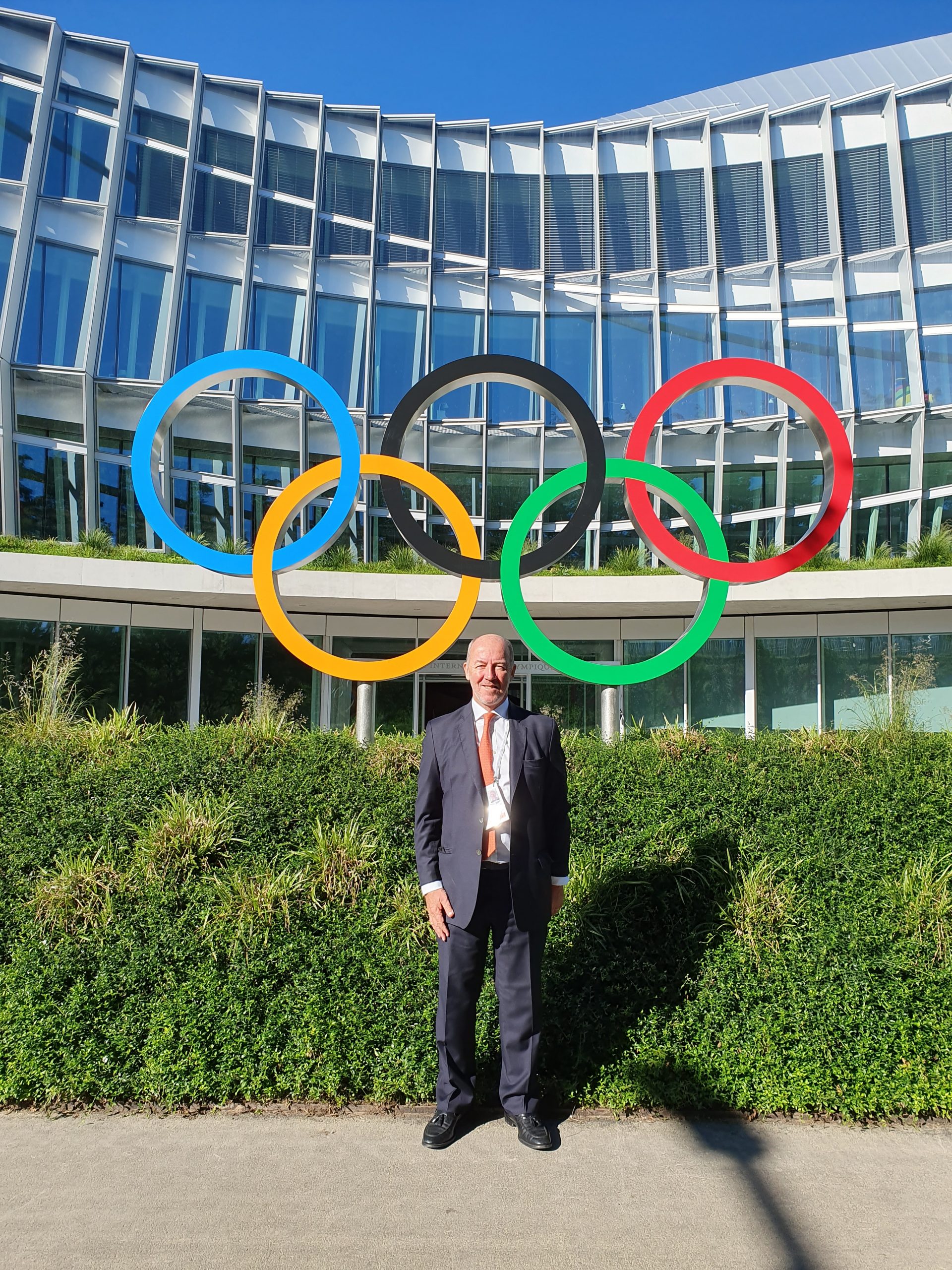
Central to this effort was the creation of The Olympic Partner (TOP) programme, a global sponsorship framework that allowed a select group of multinational companies exclusive marketing rights associated with the Olympics. This approach enabled long-term global partnerships rather than fragmented local agreements, attracting significant investment and allowing the Games to become a platform for global visibility.
Under Payne’s leadership, Olympic sponsorship revenues expanded dramatically, rising from under $100 million in the 1980s to billions of dollars per Olympic cycle. Now cities worldwide were scrambling to put together Olympic bids.
During Payne’s tenure from 1983 to 2004, he oversaw marketing programmes for 15 Olympic Games and helped generate more than $20 billion in revenue for the Olympic Movement. Even after departing the IOC, Payne would go on to broker some of the Games’ largest partnerships, most recently introducing Alibaba and AI to the sporting world.
Through these efforts, the Olympic Games have become one of the most successful sporting events in the world. Yet Payne’s legacy extends beyond financial success. By creating a sustainable commercial framework for the Olympics, he helped ensure that revenues could be reinvested into sport worldwide, supporting athletes, federations, and host cities.
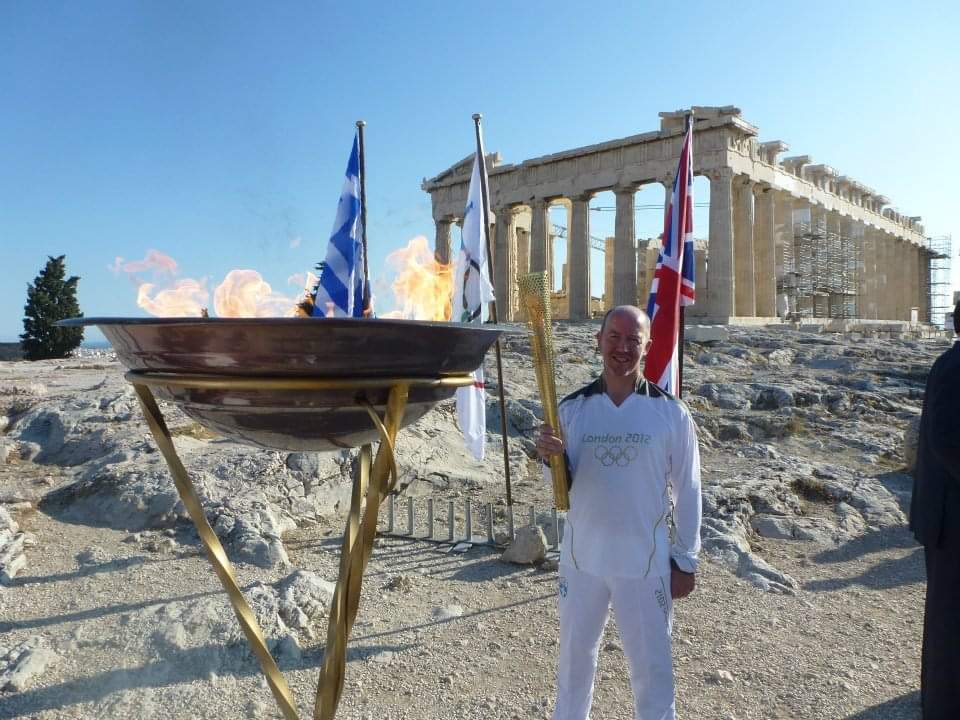
Following the 2004 Games, Payne became a close adviser to Bernie Ecclestone. Together, they helped guide Formula One’s expansion into new global markets and major broadcasting agreements. During this period, Payne also founded Payne Sports Media Strategies, a consultancy advising governments, corporations, and sports organisations on media rights, sponsorship, and event strategy.
Sport as a force for good
In his recent memoir, Fast Tracks and Dark Deals, Payne reflects on how political and commercial forces remain central to global sport. Looking ahead, he believes that sport not only has enormous economic power but can also play an increasingly important role in global politics.
Throughout his career, Payne notes that his working style always revolves around empathy, connection and understanding, regardless of the size of the deals being made. “Relationships matter more than rights, vision matters more than process, and timing is always the one variable you can never quite control,” he wrote.
For the IOC, Payne believes the key challenge in the future will be maintaining a commercial model strong enough to sustain the Olympic Games while preserving the sporting values that underpin them. Striking the right balance between commerce and integrity will define the future of modern sport.
Ultimately, Payne’s career demonstrates how one individual, driven by vision and determination, can reshape sport and culture for the better. It is safe to say that the world would be a less vibrant—and less active—place without him.