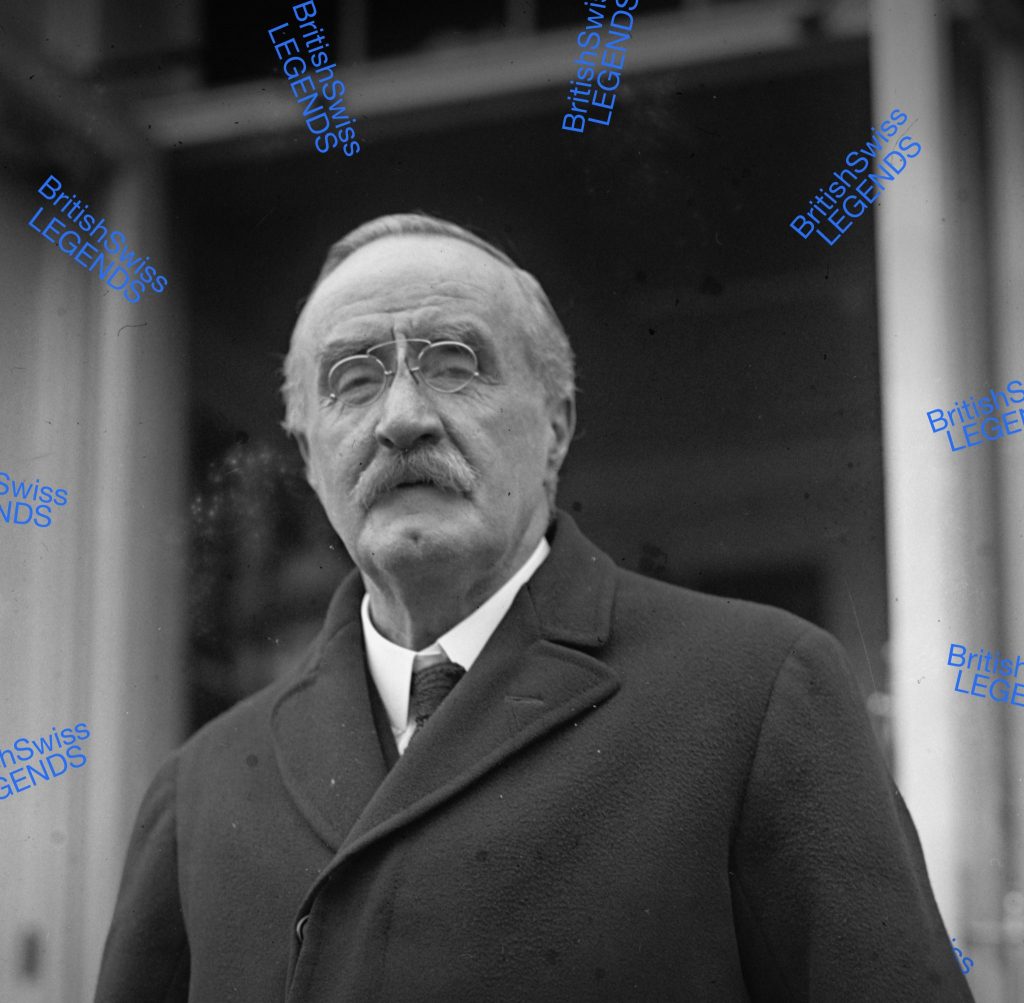
“Travel is the best educator; it widens the mind and loosens the prejudices of home,” Sir Henry Simpson Lunn.
From its picture-perfect chalets, snowy peaks and abundant ski resorts, Switzerland is the model for winter holidays the world over. Every year, an estimated 21,5 million tourists come to the alpine nation to witness its beauty, culture, food and landscape firsthand.
Given how well-loved and well-developed Switzerland is, many may assume that the country has always been the hot-ticket destination it is today. However, though its stunning landscape may be unchanged, the country we know is a far cry from what the first “modern” tourists found.
Switzerland: From backwater to tourist hotspot
For most of the country’s history, Switzerland was not a top destination for Europe’s elite, seen instead as a country that must be passed through to get to other, more prominent nations. There was no royal court to entertain, no major landmarks (beyond the mountains) and no major power base, given that influence was divided among the cantons.
This began to change thanks to the “Grand Tour”, the first example of mass tourism in Europe. Beginning in the 1700s, young, rich aristocrats took to touring Europe, experiencing as much culture, art and travelling as possible before they inherited their lands from their parents.
Soon, Switzerland’s routes through the Alps made it a magnet for affluent travellers, who quickly started to stop off on their way to Italy to experience all that the country had to offer. The most famous of these were the poet Lord Byron and authors Mary and Percy Shelley, who stayed around Lake Geneva in 1816. In fact, a late-night meeting around the lake, where Byron proposed that they all write a ghost story, is what inspired Mary Shelley to write Frankenstein.
Visitor numbers in Switzerland rose again in the mid to late 1800s, when it became the fashion to use the country’s crisp and clean mountain air to treat tuberculosis. This gave rise to a series of large infirmaries in the Alps, of which many remain as hotels today.
Even though visitors were coming to the alpine nation, they were mainly those who could afford the vast expense. In addition, the idea that you should visit Switzerland for sport and snow was also practically unheard of. This would change thanks to the efforts of one man, who made Switzerland the tourist haven it is today – a name that has been practically lost to history.
Methodist priest turned travel titan
Sir Henry Simpson Lunn was born in Lincolnshire in 1859 to a greengrocer. Rather than guiding tourists through the Alps, his life appeared destined for the church and the hospital, with him training to become a church minister and medical doctor.
However, even as he was preparing for a life in the cloth, Simpson Lunn was already looking further afield and began organising religious retreats and meetings with other religious figures. As these trips required a lot of planning, he quickly became a master of organising the travel and accommodation needs of those he was with.
His big break came in the 1880s and 1890s, when he organised massive Methodist meetings in India, Canada and Europe. All the events went off without a hitch, and during the meetings, he realised that there was a major business opportunity in organising high-quality, well-organised group travel for the masses. This launched his tourism career and into the history books.
A winter holiday empire
In 1905, Simpson Lunn organised the first winter sports holidays in Switzerland for British tourists. Though other travel companies had toured the alpine nation before, Simpson Lunn was the first to put winter activities and sports at the heart of the expedition.
Gone were the tuberculosis clinics and Grand Tours, and in were the first non-upper-class tourists to the Alpine nation. In this way, it took a British priest to truly tap into Switzerland’s potential as a top destination. In 1908, he also helped found the Alpine Ski Club, the UK’s first skiing organisation.
Upon his death in 1939, Sir Henry Lunn Travel was one of the most successful travel agents in the country. His legacy still lives on today: in 1965, the company was combined to form Lunn Poly, which today operates as TUI.
Tourism as a means of connection
In all, Sir Henry Simpson Lunn saw his holidays as a way of giving people fresh perspectives on the world. Writing in his memoir, Chapters from My Life, he explained that “Travel is the best educator; it widens the mind and loosens the prejudices of home..The real value of travel lies not in movement but in meeting minds…A holiday should not merely rest the body; it should enlarge the spirit.”
Above all: he “began organising tours not merely that people might see new lands, but that they might better understand one another.” This is showcased by the fact that while the travel business would begin to consume a greater and greater part of his life, he would continue to pursue great projects in Christian philanthropy and lecturing.